
The Little Western Wall: A Hidden Corner of Jerusalem’s Sacred Past

Little Western Wall Jerusalem
In a Nutshell

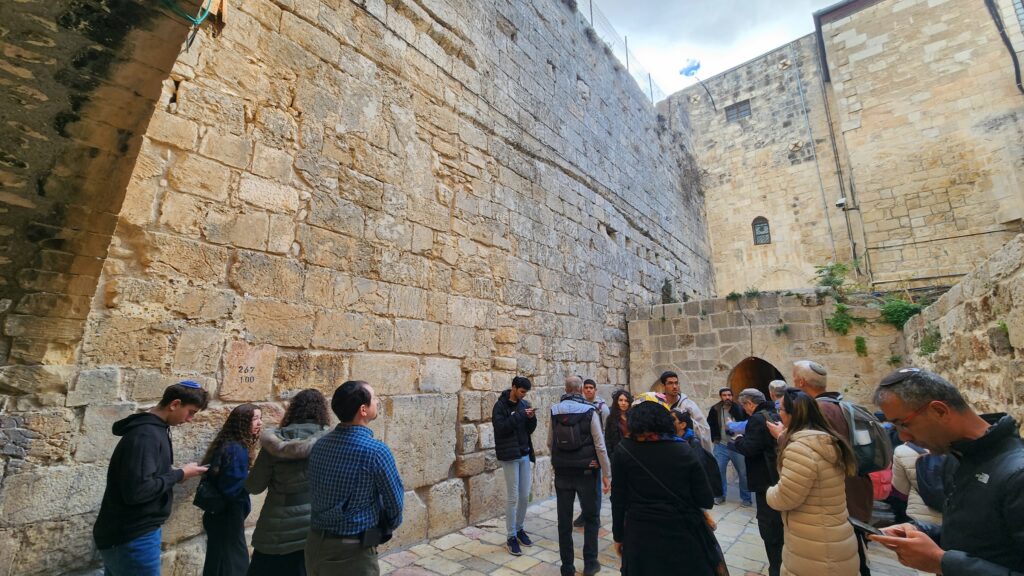
The Little Western Wall is a 26-foot section of the Western Wall located north of the main plaza in Jerusalem's Old City. It stands closer to the Temple's Holy of Holies than the main Western Wall and offers a quieter, more intimate prayer experience. Orthodox Jewish tradition considers it particularly sacred due to this proximity.
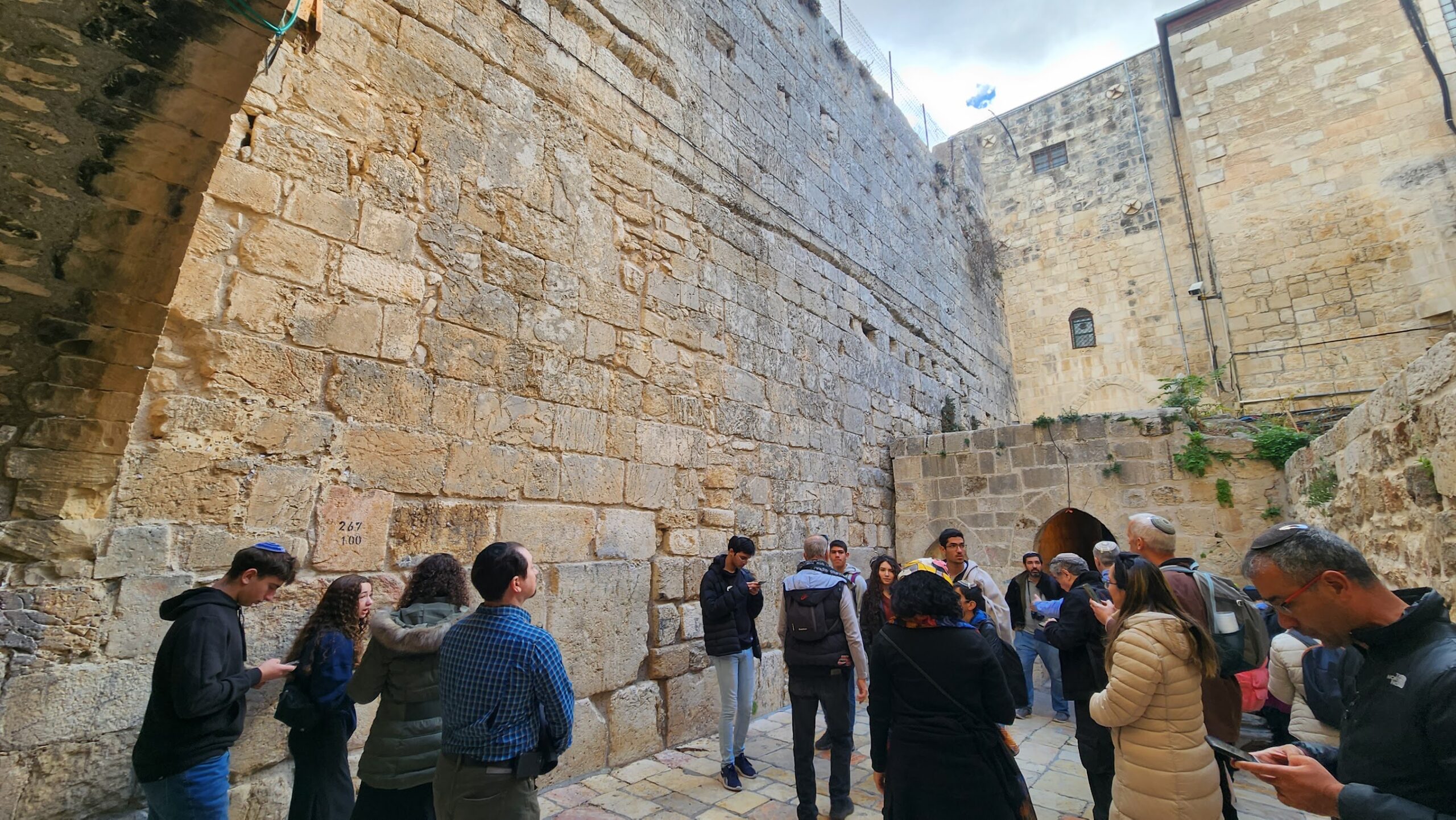

Though it’s not as well-known or visited as the main Western Wall, this modest stretch of ancient stone is a meaningful site for prayer and reflection, especially for those who value its proximity to the Holy of Holies.

Little Western Wall Jerusalem

Location

The Little Western Wall is located in the Muslim Quarter of Jerusalem’s Old City, roughly 175 meters north of the main Western Wall Plaza. It’s accessible by foot along HaGai (El-Wad) Street. 

Religious Significance

The Little Western Wall is considered the second holiest prayer site in Judaism—second only to the Temple Mount itself. Its importance is due to its nearness to the Holy of Holies, and its relative quiet and privacy make it a meaningful place for individual prayer.

The site has become popular for small Brit Milah (circumcision) ceremonies and organized prayer groups. It sees regular services on Friday evenings, Shabbat afternoons, and weekdays around mid-afternoon.

Over the years, there have been efforts to grant the site formal protection under the Law for the Protection of Holy Places. Advocates want better upkeep and the ability to leave basic prayer materials in place permanently. However, because of sensitivities with the surrounding community and the shared use of the space, police have not allowed this. Instead, items must be brought in before and removed after each prayer service.

destination 1
destination 2
destination 3

What You’ll Find at the Site

  • Herodian Stonework: The two visible courses are part of the same wall built by Herod the Great to support the expanded Temple platform.

  • Prayer Notes: Like the main Western Wall, visitors place small notes with prayers into the cracks between the stones.

  • Simple Setting: The prayer space is narrow, quiet, and lacks the large infrastructure of the main Western Wall. There’s no permanent seating, Torah ark, or prayer books—these are brought in as needed.

  • Historic Structures: Elements of the Mamluk-era Ribāṭ Kurd are visible, including original stone arches and architectural features from the 13th century.

Nearby Sites

Want to visit this site? Book a private tour with Ken.

Browse by Category